Your dog scratches relentlessly. Their coat looks dull—more like straw than silk. You’ve tried every omega-3 oil and oatmeal shampoo on the shelf. Nothing sticks. And vet bills keep climbing. Here’s the kicker: the answer might be floating in the ocean—not your pantry. Seaweed extract for skin isn’t just marine hype. It’s a nutrient-dense, bioavailable solution most pet owners overlook.
Why Typical Coat Supplements Miss the Mark
Most commercial pet supplements rely on synthetic vitamins or isolated fatty acids. They look good on paper—but fail in practice. Why? Poor absorption. Your pet’s gut can’t efficiently process these lab-made compounds. Worse, many formulas ignore the root cause: chronic low-grade inflammation triggered by environmental stressors and subpar nutrition.
And here’s the uncomfortable truth—many “natural” coat products are loaded with fillers like corn starch or soybean oil that actually *worsen* skin irritation over time. Think about it: if your dog’s coat hasn’t improved after 8 weeks of consistent supplement use, the problem isn’t compliance—it’s formulation.
How to Use Seaweed Extract for Skin: A Vet-Backed Protocol
Not all seaweed is equal. And dosage matters—wildly. Follow this 4-step framework used by integrative pet nutritionists:
Select the Right Seaweed Species
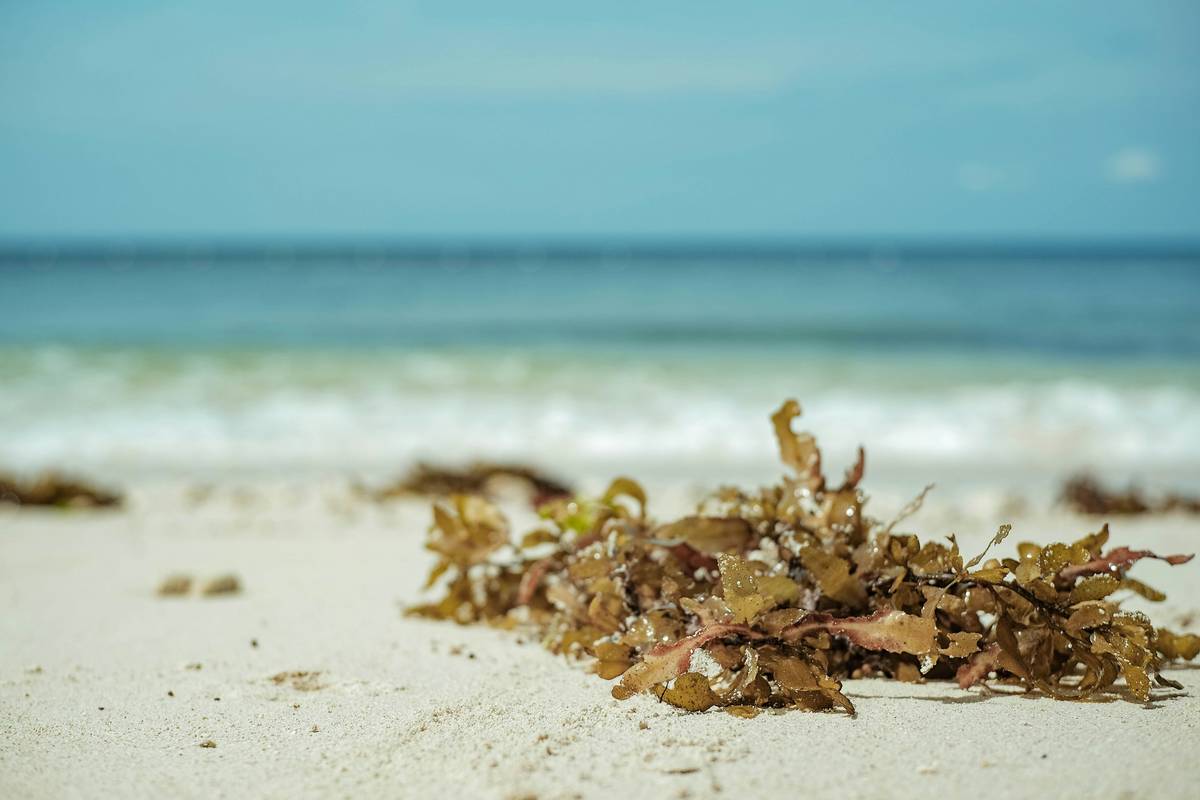
Focus on Ascophyllum nodosum (knotted wrack) or Laminaria digitata. These cold-water kelps contain the highest concentrations of fucoidan, laminarin, and bioactive iodine—key for epidermal repair. Avoid generic “kelp powder” with no species disclosure.
Determine the Correct Dosage
Overdosing iodine can disrupt thyroid function. Underdosing yields zero results. The sweet spot? 50–100 mg per 10 lbs of body weight daily. Always start low—especially in cats or small dogs.
Pair for Synergy—Don’t Go Solo
Seaweed extract works best alongside prebiotic fiber (like chicory root) and zinc methionine. This combo enhances mineral uptake and supports the skin microbiome. Never stack with high-calcium bone meal—calcium binds to alginates and reduces absorption.
Monitor & Adjust
Look for reduced dandruff, less scratching, and new hair growth within 3–6 weeks. If no change occurs by week 7, reassess sourcing or consider an underlying allergy.
| Supplement Type | Iodine Content (per 100mg) | Key Bioactives | Avg. Cost/Month | Skin Impact Timeline |
|---|---|---|---|---|
| Generic Kelp Powder | Unverified (often <20mcg) | Minimal fucoidan | $8–$12 | 8+ weeks (if any) |
| Purified Ascophyllum nodosum Extract | Standardized 150–300mcg | High fucoidan, laminarin, polyphenols | $18–$25 | 3–6 weeks |
| Omega-3 Fish Oil (EPA/DHA) | None | EPA, DHA only | $20–$30 | 6–10 weeks |
| Seaweed + Prebiotic Blend | Controlled 200mcg | Fucoidan + inulin + zinc | $22–$28 | 2–5 weeks |
The Industry Secret: Seaweed’s Hidden Detox Power
Here’s what supplement brands won’t tell you: seaweed extract doesn’t just nourish—it *detoxifies*. Heavy metals, chlorine residues, and plastic microfibers from tap water and processed food accumulate in your pet’s dermal tissue. Fucoidan—the sulfated polysaccharide in brown seaweed—binds to these toxins and shuttles them out via bile. The result? Less oxidative stress on follicles, fewer hot spots, and a coat that actually reflects light.
But—big caveat—this only works with *tested, purified* extracts. Raw, untested seaweed may itself contain arsenic or cadmium. Always demand a Certificate of Analysis (CoA) showing heavy metal levels below FDA thresholds. No CoA? Walk away.
FAQ
Is seaweed extract safe for cats?
Yes—but at half the canine dose. Cats are more sensitive to iodine. Start with 25 mg per 10 lbs and monitor for hyperactivity or weight loss.
Can I use human seaweed supplements for my dog?
No. Human formulas often contain xylitol, added salt, or excessive iodine. Always use pet-specific, veterinary-formulated products.
How fast does seaweed extract improve dry skin?
Most pets show reduced flaking in 14 days. Full coat transformation typically takes 4–6 weeks of consistent use alongside clean nutrition.