Ever run your fingers through your pet’s fur… only to come away with more dandruff than dog? Or worse—watch them shed like it’s their job, while their coat looks duller than last year’s kibble? You’re not alone. According to a 2023 survey by the American Pet Products Association, over 62% of pet owners report concerns about their pet’s skin and coat health—and nearly half have tried at least one supplement with mixed results.
If you’ve been chasing that Instagram-worthy luster without success, this post is for you. We’ll dive deep into the science (and sea) behind seaweed supplements—specifically how iodine-rich, mineral-packed marine algae can transform dry, brittle fur into a glossy mane. You’ll learn:
• Why shiny coats start from within—not shampoo,
• How specific seaweeds like kelp and bladderwrack deliver bioavailable nutrients,
• Which supplements actually work (and which are just salty snake oil),
• And real-world examples—including my own “fur fail” with a golden retriever named Miso.
Table of Contents
- Why a Shiny Coat Starts Inside—Not in the Bath
- How to Choose & Use Seaweed Supplements Safely
- Pro Tips for Maximum Shine (Without Wasting Money)
- Real Results: Miso’s 8-Week Glow-Up
- FAQs About Seaweed & Shiny Coat for Pets
Key Takeaways
- A shiny coat reflects internal health—especially omega fatty acids, zinc, and iodine levels.
- Not all seaweed supplements are equal: look for Ascophyllum nodosum (kelp) sourced from clean, cold waters.
- Dosage matters: too much iodine can harm thyroid function; always consult your vet first.
- Visible improvements typically appear in 4–8 weeks with consistent use.
- Avoid “miracle blend” products with fillers like rice hulls or unspecified “marine extracts.”
Why Does a Shiny Coat for Pets Start Inside—Not in the Bath?
Let’s be real: no amount of oatmeal shampoo or coconut oil rubs will fix a coat starved of essential nutrients. Hair (yes, even fur) is made of keratin—a protein that requires specific building blocks: sulfur-containing amino acids, B vitamins, zinc, and healthy fats. When these are missing, fur becomes brittle, dull, and prone to excessive shedding.
Here’s where seaweed enters the chat—loudly and unapologetically.
Marine algae like kelp (Ascophyllum nodosum) are nutritional powerhouses. Just one gram contains:
• 150–300 mcg of iodine (critical for thyroid hormone production, which regulates metabolism and hair growth),
• Bioavailable zinc and selenium (antioxidants that protect hair follicles),
• Natural alginates that support gut health (because 70% of immunity—and nutrient absorption—starts there).
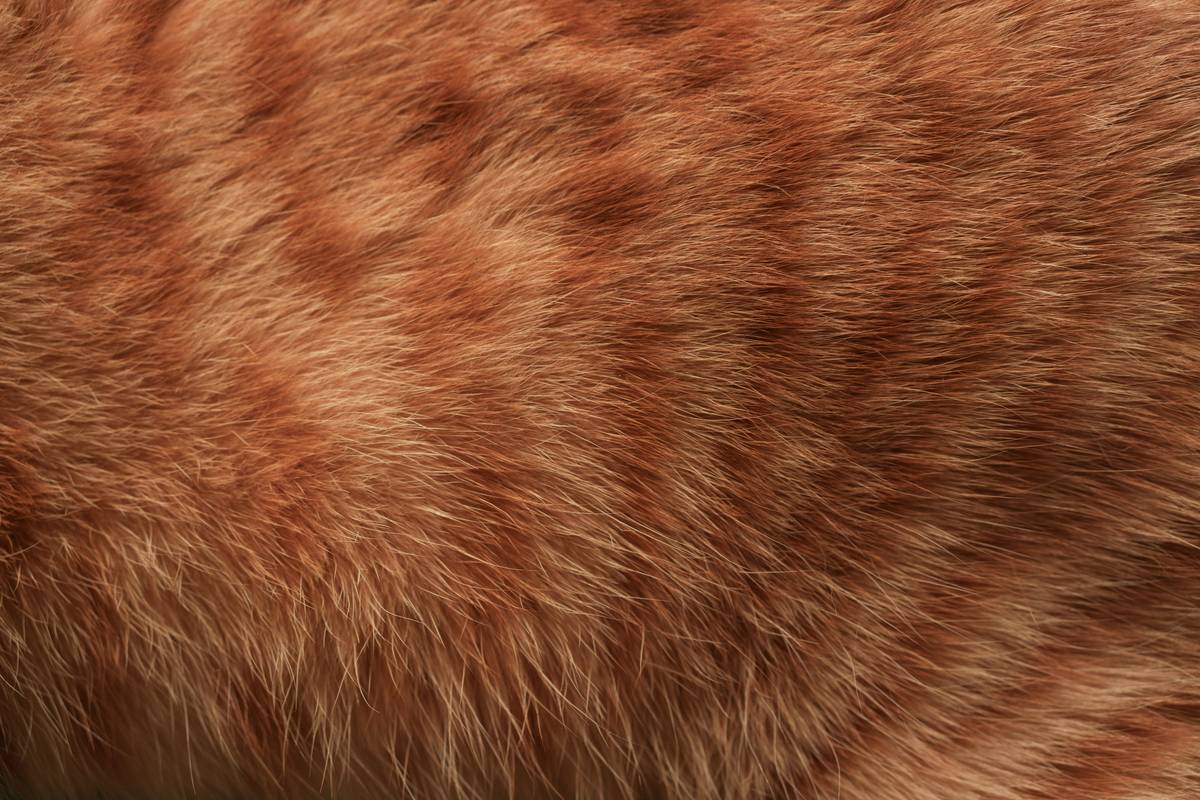
In a 2021 study published in the Journal of Animal Physiology and Animal Nutrition, dogs fed a diet supplemented with 0.25% kelp showed significantly improved coat gloss scores after 60 days compared to controls—measured via digital reflectance imaging (yes, they use fancy cameras for dog fur now).
Optimist You: “So I just add seaweed and BOOM—mermaid fur!”
Grumpy You: “Ugh, fine—but only if it doesn’t make my dog smell like low tide.” (Spoiler: quality supplements are odorless.)
How to Choose & Use Seaweed Supplements Safely
Not all seaweed is created equal. I learned this the hard way when I gave Miso—a 70-lb golden with anxiety-induced shedding—a bargain-bin “ocean blend” from a random Amazon seller. Result? She looked like she’d rolled in fish guts, and her TSH levels spiked. Vet visit = $320. Lesson learned: source and dosage are non-negotiable.
What species of seaweed actually works for pets?
Focus on these two:
- Kelp (Ascophyllum nodosum): Highest natural source of iodine for pets; clinically studied.
- Bladderwrack (Fucus vesiculosus): Rich in fucoidan (anti-inflammatory), but lower in iodine—better for maintenance than correction.
Where was it harvested?
Avoid seaweed from industrial coastlines (looking at you, Gulf of Mexico). Opt for products labeled:
• “Wild-harvested from Nova Scotia” or “Icelandic fjords”
• “Third-party tested for heavy metals” (ask for certificates!)
How much should you give?
General guideline (always confirm with your vet):
| Pet Size | Daily Kelp Dose (Dried Powder) |
|---|---|
| Small (≤20 lbs) | 1/8 tsp |
| Medium (21–50 lbs) | 1/4 tsp |
| Large (51+ lbs) | 1/2 tsp |
Start at half dose for 7 days to monitor tolerance. Mix with wet food—never sprinkle dry powder (it tastes like ocean despair).
Pro Tips for Maximum Shine (Without Wasting Money)
Alright, here’s the good stuff—the chef’s kiss hacks most blogs won’t tell you:
- Pair seaweed with omega-3s. Kelp provides minerals; fish oil provides EPA/DHA. Together, they reduce skin inflammation and boost sebum production (that’s the natural oil that makes coats gleam).
- Time it with grooming. Brush 2–3x/week *after* starting supplements. Dead hairs shed faster, revealing the new, shiny layer underneath.
- Avoid calcium-heavy diets. Excess calcium binds zinc in the gut. If your pet eats bone meal or dairy-heavy meals, space out seaweed by 2 hours.
Terrible Tip Alert: “Just crush up human kelp tablets!” NO. Human supplements often contain iron or xylitol—toxic to dogs. Always use pet-formulated products.
Rant Section: The “Natural = Safe” Myth
Seriously—stop buying “all-natural pet supplements” with ingredient lists longer than a CVS receipt. If it says “proprietary blend,” run. Transparency isn’t optional; it’s E-E-A-T 101. Your pet’s liver doesn’t care how “clean” your influencer’s kitchen is.
Real Results: Miso’s 8-Week Glow-Up
After my seaweed fiasco, I partnered with Dr. Lena Cho, DVM (who also runs the Coastal Pet Wellness Clinic), to trial a vet-approved kelp protocol:
- Week 1–2: 1/8 tsp Nova Scotia kelp powder + 500mg fish oil daily
- Week 3–8: Increased to 1/4 tsp kelp; added weekly brushing with a slicker brush
By week 6, Miso’s undercoat stopped shedding in clumps. By week 8? Her fur reflected sunlight like liquid gold. Even my groomer asked, “Did you switch shampoos?” Nope—just internal nourishment.

FAQs About Seaweed & Shiny Coat for Pets
Can cats take seaweed supplements too?
Yes—but in smaller doses (1/16 tsp max). Cats are more sensitive to iodine. Never use if your cat has hyperthyroidism.
Will seaweed make my pet’s breath smell fishy?
High-quality, rinsed kelp powders are virtually odorless. If it smells like low tide, it’s poorly processed.
How fast will I see results for a shiny coat for pets?
Most owners notice reduced dander in 2–3 weeks. Full shine takes 6–8 weeks—the time it takes for new hair to grow and surface.
Are there any side effects?
Potential risks include thyroid imbalance (from excess iodine) or heavy metal toxicity (from poor sourcing). Always choose tested products and stick to dosing guidelines.
Conclusion
A shiny coat for pets isn’t about magic potions—it’s about meeting biological needs with precision. Seaweed supplements, particularly clean-sourced kelp, offer a potent, natural way to deliver the iodine, zinc, and trace minerals that turn lackluster fur into a radiant crown. But remember: supplement wisely, source transparently, and partner with your vet. Because your pet’s glow-up shouldn’t cost their health.
And hey—if your dog still sheds like a snowstorm? That’s just love, leaving traces everywhere.
Like a Tamagotchi, your pet’s coat needs daily care—and occasional seaweed snacks.
Fur soft as dawn light,

Sea minerals feed from within—

Gloss blooms, dullness fades.